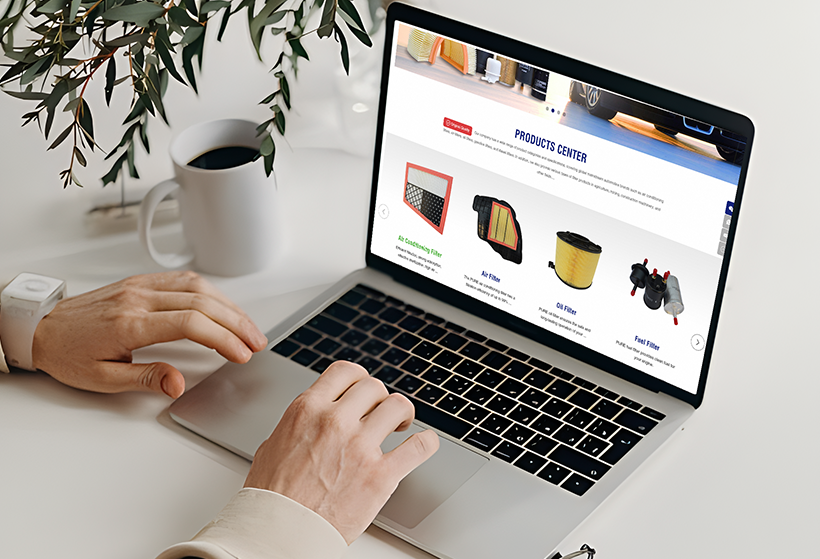
OEM automotive air filter manufacturers help vehicle brands get the right filter for each engine and driving condition. A good filter protects the engine, supports clean air intake, and helps the vehicle keep stable performance. Many buyers also look for dust filtration efficiency, low airflow resistance, and long service life when choosing a supplier. If the filter is not designed well, it can reduce fuel efficiency and shorten engine life. Purefine understands these needs and provides solutions that match modern automotive standards.
Introduction
For fleet owners, distributors, and automotive brands, the biggest challenge is finding a factory that can deliver consistent quality, correct fit, and fast production. That is why automotive air filter manufacturers must combine material control, testing, and stable production planning.
Summary Answer
OEM automotive air filter manufacturing solutions are custom production services that design, test, and make air filters for vehicle brands, private label buyers, and aftermarket customers. The best solution gives accurate dimensions, strong filtration performance, reliable supply, and cost control while meeting OEM standards.
1. What OEM Automotive Air Filter Manufacturing Means
OEM means Original Equipment Manufacturer. In this case, the filter is made according to the buyer's product needs, brand requirements, and vehicle specifications. Automotive air filter manufacturers work with car companies, parts brands, and distributors to produce filters that fit the target engine and match the expected performance.
Custom design for vehicle fit
OEM filters are not one size fits all. The factory must follow the air box shape, engine size, and vehicle model. A small size error can cause air leakage or poor sealing. That is why measurement accuracy matters.
Material selection for stable performance
Common materials include paper media, synthetic media, nonwoven layers, rubber seals, and plastic frames. Each material changes filtration efficiency, airflow, and durability. A factory must choose the right combination for the target market.
Brand consistency and private label support
Many customers want their own packaging, logo, and part number system. Purefine offers private label support so buyers can build a clear product line in their market.
2. Why Buyers Choose OEM Automotive Air Filter Manufacturing Solutions
Companies choose OEM production because it gives more control over product quality and market positioning. It also helps buyers reduce risk when launching new filters.
| Buyer Need | OEM Solution Benefit | Business Result |
|---|---|---|
| Exact vehicle fit | Custom sizing and tooling | Lower return rate |
| Stable filtration performance | Controlled media and testing | Better engine protection |
| Private brand growth | Logo, label, and packaging support | Stronger market identity |
| Large-volume supply | Factory production planning | Faster delivery and lower unit cost |
Lower risk in product development
OEM production reduces mistakes because the supplier already understands material standards, tooling needs, and test methods. This is important for new product launch projects.
Better cost control
When the design is stable, the buyer can plan purchasing more accurately. This helps control unit cost, shipping cost, and inventory risk.
Supports different market segments
OEM air filters can be made for passenger cars, trucks, commercial vehicles, and performance vehicles. This gives buyers flexibility across multiple channels.
3. Main Types of Automotive Air Filters
Different vehicles need different air filter designs. The right product depends on the engine, driving environment, and service interval.
| Filter Type | Main Use | Key Feature | Typical Buyer |
|---|---|---|---|
| Panel air filter | Most passenger cars | Easy fit, stable airflow | Auto parts brands |
| Cylindrical air filter | Some commercial vehicles | Large filtration area | Fleet suppliers |
| Performance air filter | Sport and tuning use | Higher airflow | Performance retailers |
| Heavy-duty air filter | Dusty and harsh roads | Longer service life | Truck and off-road buyers |
Panel filters for mass market cars
Panel filters are the most common choice. They are compact, simple to install, and fit many vehicle models. They are often used in high-volume OEM orders.
Heavy-duty filters for tough conditions
Vehicles in dusty areas need stronger media and better sealing. These filters help reduce engine wear and support longer maintenance cycles.
Performance filters for higher airflow needs
Some buyers focus on airflow rather than only filtration. These products are used in tuning markets and special applications.
4. OEM Automotive Air Filter Manufacturing Process
A clear process helps buyers understand how the factory turns a design into a finished product. Good manufacturers follow each step carefully.
Step-by-step flow chart
| Market need | Vehicle data collection |
|---|
| Filter design and size check | Material selection |
|---|
| Tooling and sample production | Laboratory testing |
|---|
| Customer approval | Mass production |
|---|
Packaging and delivery
1. Collect vehicle specifications
The factory first checks model data, engine size, and filter dimensions. This is the base for the whole project.
2. Select filter media and frame
The supplier chooses materials based on filtration target, airflow demand, and service life. This can include paper, synthetic fiber, rubber, and plastic parts.
3. Make samples and test them
Samples are produced before bulk order starts. They are tested for fit, sealing, airflow resistance, and dust capture.
4. Start mass production
After sample approval, the factory sets the production line and begins volume manufacturing. Stable process control is important here.
5. Pack and ship
Final products are packed with the required brand marks, carton labels, and shipping marks. Then they are delivered to the buyer.
5. Key Quality Control Points in Air Filter Production
Quality control is one of the most important parts of automotive air filter manufacturing. Even a small defect can affect engine safety and customer trust.
| Quality Control Item | What It Checks | Why It Matters |
|---|---|---|
| Dimension accuracy | Length, width, height, sealing edges | Ensures proper installation |
| Airflow resistance | How easily air passes through | Supports engine breathing |
| Filtration efficiency | Dust holding and particle capture | Protects engine components |
| Seal integrity | Leak prevention around the frame | Stops unfiltered air entry |
| Durability | Performance after heat, vibration, and pressure | Improves service life |
Fit testing
The filter must match the air box without gaps. Fit testing helps reduce installation problems and returns.
Performance testing
Good suppliers test dust holding capacity and airflow balance. This helps them find the right trade-off between clean air and engine power.
Consistency testing
Batch consistency matters for repeat orders. Buyers need the same quality in every shipment, not only in samples.
6. How to Choose the Right Automotive Air Filter Manufacturers
Choosing a supplier is not only about price. Buyers should compare engineering ability, quality systems, and delivery performance.
Use a supplier comparison table
| Selection Factor | Good Supplier | Risky Supplier |
|---|---|---|
| Product knowledge | Understands OEM specs and vehicle fit | Limited technical support |
| Testing | Has clear test records | No stable test system |
| Production capacity | Can handle regular and large orders | Often delays delivery |
| Customization | Offers logo, packaging, and design support | Only standard catalog items |
| Communication | Fast replies and clear documents | Poor project management |
Check factory experience
Experienced manufacturers know how to solve fit problems, material issues, and production delays. This reduces project risk.
Ask for samples and test reports
Samples show the real product quality. Test reports show whether the product meets target standards.
Review customization ability
Some buyers need special packaging, logo printing, or special frame shapes. The supplier should support these needs.
7. Long-Tail Keywords Buyers Often Search For
These long-tail keywords show what buyers really want from OEM automotive air filter manufacturing solutions:
- custom automotive air filter manufacturer for passenger cars
- private label air filter supplier for auto parts brands
- OEM engine air filter production for vehicle brands
- high filtration efficiency air filter factory
- bulk automotive air filter supplier for distributors
- heavy-duty truck air filter manufacturing service
Why long-tail keywords matter
Long-tail searches usually come from buyers who are ready to request quotes or samples. These searches often lead to better conversion rates because the need is more specific.
8. Common Application Scenarios
Automotive air filters are used in many markets. Each market has different expectations for price, quality, and service life.
Passenger vehicle market
Car owners and repair shops need filters that are easy to install and cost effective. This market usually needs high volume and stable supply.
Commercial vehicle market
Trucks and vans run longer distances. They often need stronger filters and longer replacement intervals.
Dusty road and off-road market
Vehicles in mining, construction, and rural areas face more dust. They need better dust capture and stronger sealing.
Export and aftermarket market
Export buyers often need mixed model support, fast packing, and clear labeling. Aftermarket customers also want strong brand identity.
9. Why Purefine Is a Practical Choice
Purefine supports OEM automotive air filter manufacturing with custom design, stable production, and quality-focused service. The company helps buyers develop products that match market needs and brand goals.
Custom solution support
Purefine can support design changes, sample approval, and packaging needs for different markets.
Focus on quality and consistency
Consistent product quality helps reduce complaints and builds trust with distributors and end users.
Export-friendly service
Clear communication, stable lead times, and document support make international purchasing easier.
Conclusion
OEM automotive air filter manufacturing solutions help buyers get products that fit well, perform reliably, and support brand growth. The best automotive air filter manufacturers provide custom design, strong quality control, and stable supply. If you want a partner that can support private label development and OEM projects, Purefine is ready to help with dependable automotive air filter solutions.
FAQ
What does an OEM automotive air filter manufacturer do?
An OEM automotive air filter manufacturer designs and produces air filters based on the buyer's vehicle data, performance needs, and brand requirements.
What are the most important qualities of a good air filter?
The most important qualities are correct fit, strong filtration efficiency, low airflow resistance, seal integrity, and stable service life.
Can I order private label automotive air filters?
Yes. Many manufacturers, including Purefine, support private label packaging, logos, and part number systems.
How do I choose the right supplier?
Check the supplier's product knowledge, sample quality, test reports, production capacity, and communication speed.
Are custom automotive air filters more expensive?
Custom filters can cost more at the start because of design and tooling. However, they often save money later by reducing returns and improving market fit.
What documents should I request before ordering?
You should ask for samples, technical drawings, test reports, and packaging details before confirming a bulk order.